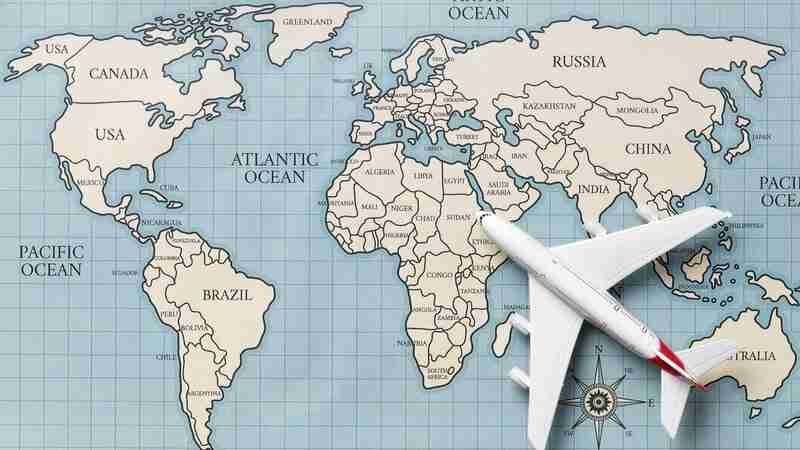

The outline:5uqkznmksvw= world map is a fundamental tool for understanding our planet. It provides a visual representation of the Earth’s geography, depicting continents, countries, oceans, and various geographical features. In this comprehensive guide, we delve into the intricacies of the world map, exploring its history, types, uses, and the fascinating details it reveals about our world.
History of the World Map
Ancient Cartography
The history of outline:5uqkznmksvw= world map dates back to ancient civilizations. Early cartographers, such as the Babylonians, Egyptians, and Greeks, created rudimentary maps to navigate and understand their surroundings. One of the earliest known maps is the Babylonian Map of the World, dating back to the 6th century BCE, which depicted Babylon as the center of the world.
Medieval and Renaissance Maps
During the medieval period, maps became more detailed and sophisticated. The Hereford Mappa Mundi, created around 1300, is one of the most famous medieval maps, illustrating a mix of geographical and mythological elements. The Renaissance era saw significant advancements in cartography, with explorers like Christopher Columbus and Ferdinand Magellan contributing to the development of more accurate outline:5uqkznmksvw= world map.
Modern Cartography
The advent of modern cartography began in the 17th century, with the invention of more precise tools and techniques for map-making. The Mercator Projection, introduced by Gerardus Mercator in 1569, revolutionized navigation by presenting a more practical representation of the Earth’s surface. Today, satellite imagery and digital technology have transformed cartography, allowing for highly accurate and detailed outline:5uqkznmksvw= world map.
Types of World Maps
Physical Maps
Physical maps focus on the natural features of the Earth, such as mountains, rivers, deserts, and oceans. These maps use color and shading to represent different elevations and terrains, providing a clear picture of the Earth’s physical landscape.
Political Maps
Political maps highlight the boundaries and locations of countries, states, and cities. These maps are essential for understanding geopolitical relationships and administrative divisions. They often include major transportation routes, such as highways and railways, to show connectivity between regions.
Topographic Maps
Topographic maps combine elements of both physical and political maps, representing the Earth’s surface in detail. They use contour lines to indicate elevation and terrain features, making them valuable tools for hikers, geologists, and environmental scientists.
Thematic Maps
Thematic maps focus on specific themes or topics, such as climate, population density, or economic activities. These maps are used to analyze patterns and trends, providing insights into various aspects of the Earth’s geography and human activity.
Uses of the World Map
Education and Research
World maps are indispensable tools in education and research. They help students and scholars understand geographical concepts, spatial relationships, and global patterns. Maps are used in subjects like geography, history, and environmental science to illustrate and analyze various topics.
Navigation and Travel
For centuries, outline:5uqkznmksvw= world map have been crucial for navigation and travel. Mariners, pilots, and explorers rely on maps to plot courses, avoid hazards, and reach their destinations. In modern times, digital maps and GPS technology have made navigation more accurate and accessible.
Urban Planning and Development
Urban planners and developers use world maps to design and implement projects. Maps provide critical information about land use, infrastructure, and environmental conditions, enabling planners to make informed decisions and create sustainable communities.
Disaster Management
In disaster management, outline:5uqkznmksvw= world map play a vital role in assessing risks and coordinating responses. Maps are used to identify vulnerable areas, plan evacuation routes, and allocate resources during emergencies like earthquakes, floods, and hurricanes.
Fascinating Facts About the World Map
The Earth’s Geographical Extremes
The world map reveals some of the Earth’s most extreme geographical features:
- Mount Everest is the highest peak, standing at 8,848 meters (29,029 feet) above sea level.
- The Mariana Trench is the deepest part of the world’s oceans, reaching a depth of approximately 10,994 meters (36,070 feet).
- Russia is the largest country by land area, covering over 17 million square kilometers (6.6 million square miles).
- Vatican City is the smallest independent state, with an area of just 44 hectares (110 acres).
Continents and Oceans
The world map divides the Earth into seven continents: Asia, Africa, North America, South America, Antarctica, Europe, and Australia. Each continent has unique geographical features and diverse ecosystems. Additionally, the world map shows five major oceans: the Pacific, Atlantic, Indian, Southern, and Arctic Oceans, each playing a crucial role in global climate and marine biodiversity.
Time Zones and the International Date Line
The outline:5uqkznmksvw= world map is also essential for understanding time zones and the International Date Line. The Earth is divided into 24 time zones, each representing one hour of the day. The International Date Line, located at approximately 180 degrees longitude, marks the boundary where the date changes by one day.
Equator and Hemispheres
The Equator is an imaginary line that divides the Earth into the Northern and Southern Hemispheres. It is located at 0 degrees latitude and represents the midpoint between the North and South Poles. The Equator is significant for understanding climate patterns, as regions near it typically experience warmer temperatures and consistent daylight throughout the year.
The Future of World Maps
Advancements in Technology
The future of outline:5uqkznmksvw= world map lies in continued technological advancements. Geographic Information Systems (GIS) and remote sensing technologies are enhancing our ability to capture, analyze, and visualize geographical data. These innovations are leading to more detailed and interactive maps, providing deeper insights into our planet.
Sustainable Development
World maps are increasingly being used to promote sustainable development. By mapping environmental resources, human impact, and conservation efforts, maps help policymakers and organizations create strategies for preserving the Earth’s ecosystems and biodiversity.
Virtual and Augmented Reality
Virtual and augmented reality technologies are transforming the way we interact with world maps. These immersive technologies allow users to explore and experience geographical locations in new and engaging ways, making learning and navigation more interactive and enjoyable.
Conclusion
The outline:5uqkznmksvw= world map is more than just a tool for navigation; it is a gateway to understanding our planet’s geography, history, and diverse cultures. From ancient cartographers to modern technologists, the evolution of the world map reflects our ongoing quest to explore and comprehend the Earth. As we continue to advance in technology and knowledge, the world map will remain an indispensable resource for education, research, and global awareness.